
20 homemade fertilizers whose ingredients you already have at home
Creating your own homemade fertilizers is a great way to feed your plants with natural nutrients while recycling kitchen scraps and other household waste. Here are 20 easy-to-find ingredients you can use to make effective plant fertilizers at home:
- Coffee Grounds – Rich in nitrogen, coffee grounds can be sprinkled directly onto the soil or added to your compost.
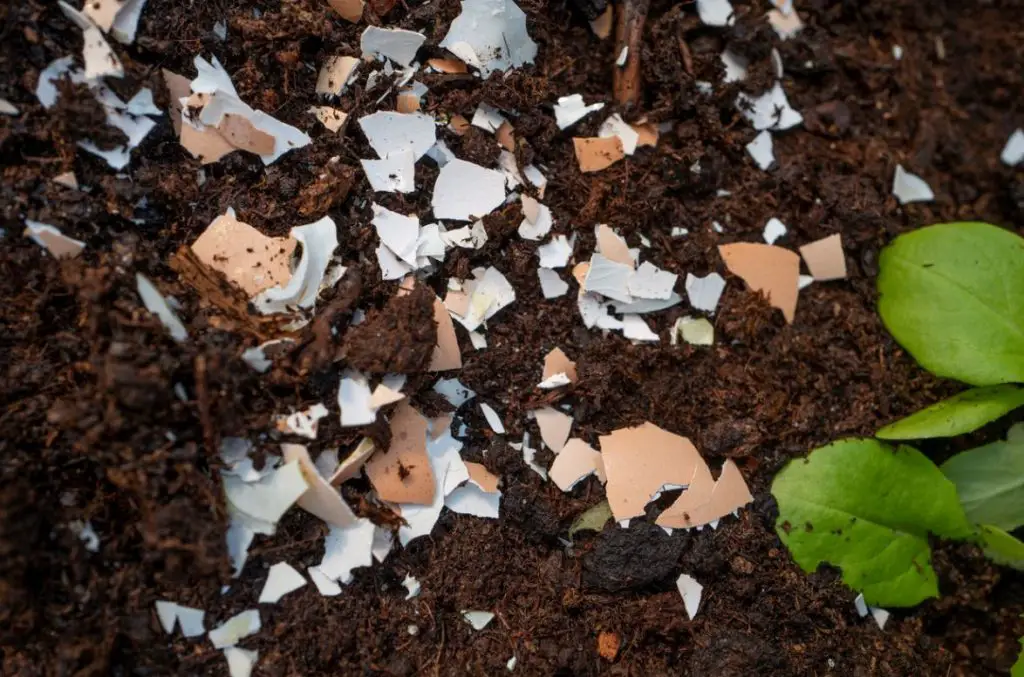
- Eggshells – Crushed eggshells add calcium to the soil, which is vital for plant cell growth.
- Banana Peels – High in potassium, banana peels can be buried whole near the roots of plants or steeped in water to make a liquid fertilizer.
- Cooking Water – Water used for boiling vegetables contains nutrients. Let it cool and use it to water plants.
- Wood Ash – Wood ash from a fireplace can be sprinkled in small quantities to add potassium and calcium to the soil.
- Aquarium Water – When changing the water in a freshwater aquarium, use the old water for plants as it’s rich in nitrogen and other nutrients.
- Epsom Salt – A source of magnesium and sulfur, Epsom salt can be dissolved in water and used to feed plants, promoting healthy growth.
- Grass Clippings – As they decompose, grass clippings release nitrogen back into the soil.
- Leaf Mold – Decomposed leaves (leaf mold) enrich the soil and improve its texture.
- Green Tea – A weak solution of green tea can provide nutrients to plants. Be sure to use unsweetened tea.
- Molasses – Adding molasses to compost or diluting it in water can help increase microbial activity and provide potassium.
- Weeds – Weeds soaked in water create a nutrient-rich “weed tea.” Just ensure the weeds haven’t gone to seed.
- Compost – Regular composting of kitchen and garden waste provides a balanced mix of essential nutrients and improves soil structure.
- Seaweed – Fresh or dried seaweed can be rinsed (to remove salt) and added to compost or steeped in water to create a liquid fertilizer rich in trace minerals.
- Gelatin – Unflavored gelatin is a source of nitrogen. Dissolve it in water to create a protein-rich feed.
- Vinegar – Diluted vinegar (preferably apple cider vinegar) can help increase soil acidity and provide plants with iron.
- Powdered Milk – Milk powder is a good source of calcium and can be sprinkled directly into the soil or dissolved in water.
- Corn Gluten Meal – A byproduct of corn processing, corn gluten meal can serve as a natural pre-emergent weed inhibitor and fertilizer.
- Chicken Manure – Well-composted chicken manure is a high-nitrogen fertilizer but should be used sparingly to avoid burning plants.
- Paper Ash – Ash from burned non-glossy paper can be used in small amounts to add potassium and help control pests.
— ALSO READ —
 The Baking Soda on Laurel Trick: The Ancient Technique of Grandmothers That Didn’t Deserve to Be Forgotten
By using these homemade solutions, you not only provide your plants with essential nutrients but also contribute to a more sustainable gardening practice.